고정 헤더 영역
상세 컨텐츠
본문 제목
How Much Does It Cost to Live in South Korea? (Rent, Transportation, Food & More)
본문
반응형
How Much Does It Cost to Live in South Korea? (Rent, Transportation, Food & More)
South Korea has become one of the most popular destinations for digital nomads, English teachers, expats, and international students. If you’re considering moving to Korea, you might be wondering: How much is the cost of living in South Korea? From monthly rent and transportation to food expenses and utility bills, this guide breaks down everything you need to know about living costs in Korea in 2025. Let’s dive into the real numbers and what you can expect when budgeting for life in Korea.
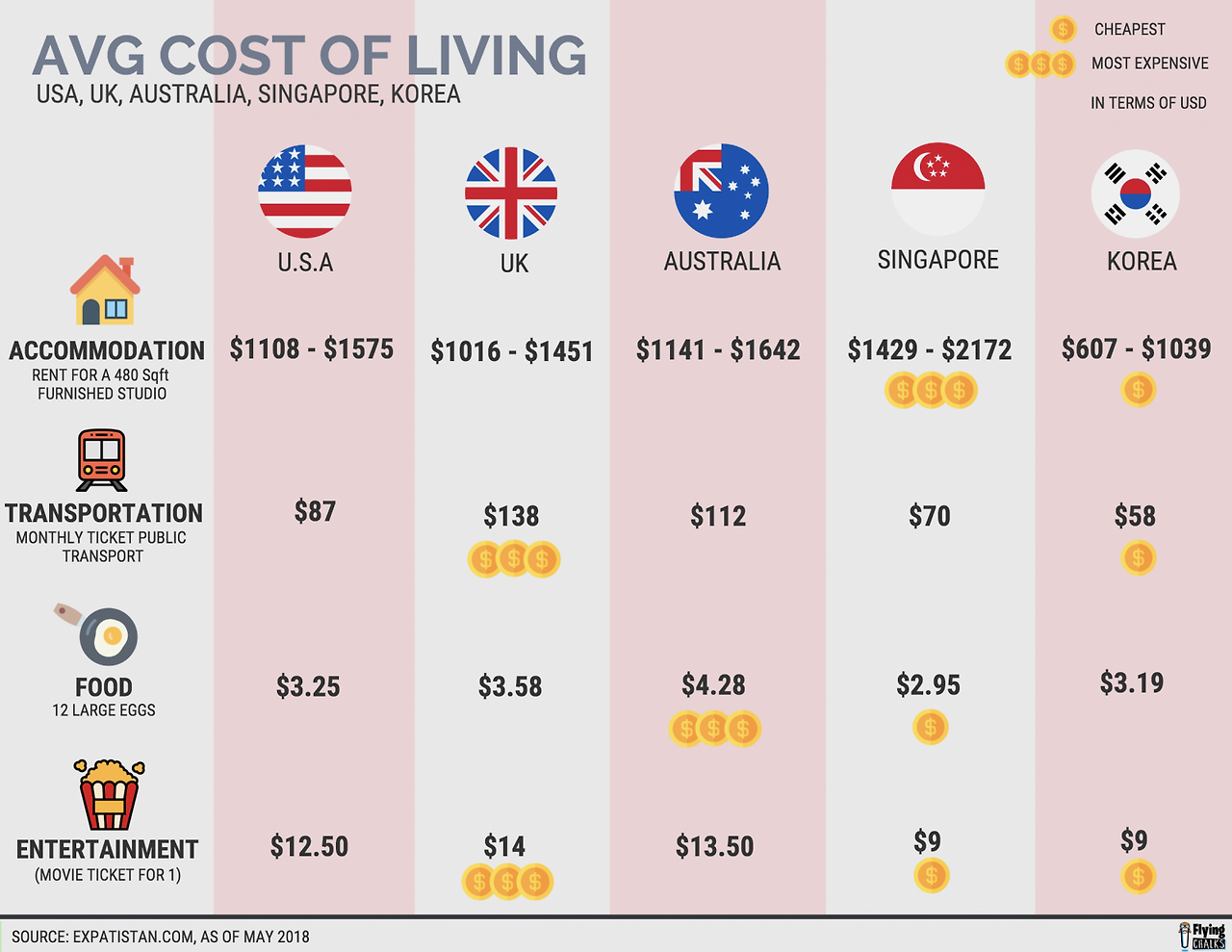
Monthly Rent in South Korea
1. Key Money vs. Monthly Rent (Wolse)
One unique aspect of renting in South Korea is the "key money" (jeonse) system. This is a large lump-sum deposit (often tens of thousands of dollars) paid upfront, with no monthly rent. However, most foreigners choose monthly rent (wolse) instead, which requires a smaller deposit and fixed monthly payments.
2. Average Rent by Housing Type
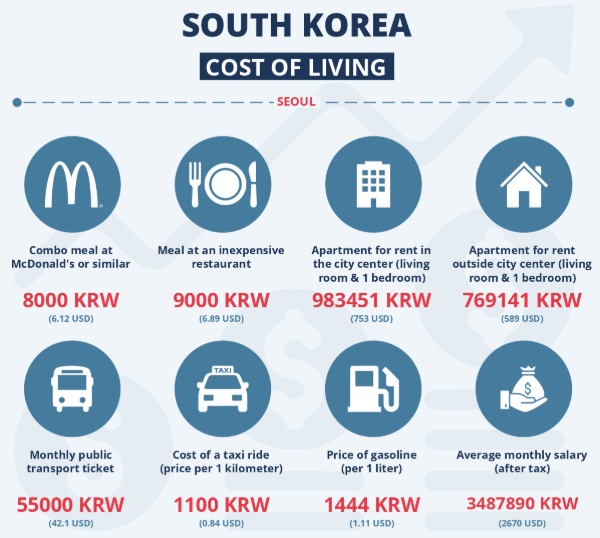
One-room studio apartment (Seoul): ₩500,000–₩900,000/month One-room (other cities like Busan, Daegu): ₩300,000–₩700,000/month Shared house (gosiwon or coliving space): ₩250,000–₩500,000/month Two-bedroom apartment (Seoul): ₩1,200,000–₩2,500,000/month
3. Tips for Saving on Rent
Live outside of central Seoul (e.g., Incheon, Suwon) Consider university dormitories or gosiwon for short stays Use apps like Zigbang or Dabang to compare prices
Transportation Costs in Korea
South Korea has one of the most efficient and affordable public transportation systems in the world.
1. Public Transportation
Subway fare (Seoul metro): Base fare ₩1,400 (~$1.00) Bus fare: ₩1,300–₩1,800 depending on type Monthly transportation cost (commuter): ₩50,000–₩80,000 Using a T-money card allows you to save money and conveniently transfer between subway, bus, and even taxis.
2. Taxi Rides
Base fare: ₩4,800 in Seoul (₩3,300 in smaller cities) Typical 10-minute ride: ₩7,000–₩12,000 KakaoTaxi is the most popular taxi-hailing app

Food and Grocery Expenses
1. Eating Out
Korean restaurant (casual): ₩7,000–₩12,000 Western restaurant: ₩12,000–₩25,000 Fast food combo (McDonald's, Lotteria): ₩6,000–₩8,000 Coffee at a café: ₩4,000–₩6,000 Eating out is generally affordable, especially if you enjoy Korean food. Convenience stores also offer cheap meals like kimbap and instant noodles.
2. Groceries (Monthly for 1 Person)
Rice (4kg): ₩12,000 Eggs (30-pack): ₩7,000 Milk (1L): ₩2,500 Fruits (bananas, apples, etc.): ₩3,000–₩8,000 Vegetables and meats: ₩100,000–₩200,000/month depending on diet Grocery prices are higher for imported goods, so sticking to local ingredients will save money.

Utility Bills & Internet
1. Utilities (Electricity, Gas, Water)
Small apartment (studio): ₩80,000–₩150,000/month Larger apartments: ₩150,000–₩250,000/month Winter and summer bills may be higher due to heating or AC
2. Internet & Mobile Plans
High-speed internet: ₩25,000–₩35,000/month Mobile plan (unlimited data): ₩55,000–₩70,000/month Providers: SK Telecom, KT, LG U+
Other Monthly Expenses
1. Health Insurance
Foreign residents are required to register for the National Health Insurance (NHIS) Average monthly premium: ₩100,000–₩130,000 Coverage is excellent and includes doctor visits, hospitals, and prescriptions
2. Entertainment & Leisure
Movie ticket: ₩12,000 Gym membership: ₩50,000–₩100,000/month Streaming services (Netflix, Disney+): ₩10,000–₩15,000/month Weekend trip within Korea: ₩100,000–₩300,000 depending on destination

Total Monthly Cost of Living in Korea (2025)
Here’s a rough breakdown of monthly living costs for a single person: Rent: ₩500,000–₩1,200,000 Transportation: ₩60,000 Food (eating out + groceries): ₩400,000 Utilities: ₩100,000 Phone & Internet: ₩80,000 Health Insurance: ₩110,000 Leisure & Misc.: ₩100,000 👉 Estimated total monthly cost: ₩1,350,000–₩2,050,000 (~$1,000–$1,500 USD)
Cost of Living in Seoul vs. Other Cities
Seoul: Most expensive, especially near Gangnam, Itaewon, or Hongdae Busan, Daegu, Daejeon: 20–30% cheaper Smaller cities (Gwangju, Jeonju): Very affordable with lower rent and living costs
Tips for Saving Money in Korea
Use public transportation over taxis Eat local Korean food instead of imported items Shop at local markets and traditional street vendors Live outside Seoul’s central districts Take advantage of government discounts for students or residents

Conclusion: Is South Korea Expensive to Live In?
South Korea offers a relatively affordable cost of living, especially compared to Western countries or cities like Tokyo and Singapore. If you budget smartly, you can live comfortably in Korea on $1,200–$1,500 per month. Whether you’re planning to study abroad, teach English, or work remotely, understanding Korea’s cost of living will help you better prepare and enjoy your stay. With high-quality public services, great food, and a safe environment, Korea is a top choice for expats in 2025.
반응형


댓글 영역