고정 헤더 영역
상세 컨텐츠
본문
반응형
Vegan-Friendly Korean Food Guide: Enjoy Plant-Based Delights in Korea
Korea is known for its vibrant food culture, rich with flavors, textures, and aromas. But if you're a vegan or following a plant-based diet, you might wonder: Can I enjoy Korean food without compromising my values?
The answer is a resounding yes.
While traditional Korean cuisine often includes meat, seafood, or animal-based sauces, there is an impressive array of naturally vegan Korean dishes and plant-based alternatives that can be found across the country. Whether you're visiting Seoul, Busan, or exploring the countryside, this guide will help you navigate the culinary landscape with confidence.
🌱 What Makes Korean Food Vegan-Friendly?
Traditional Roots in Plant-Based Eating
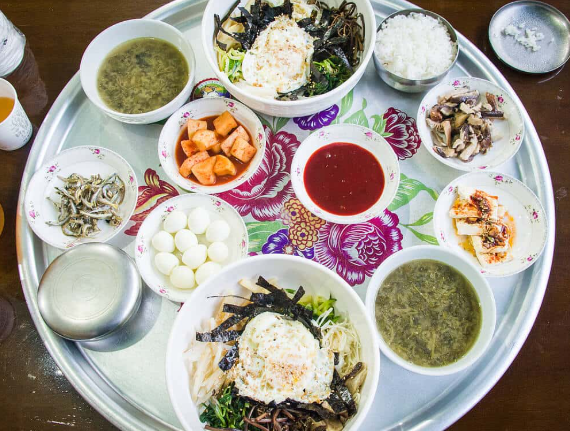
Korean cuisine is deeply influenced by Buddhist temple cuisine, which emphasizes seasonal vegetables, soy-based proteins, and natural fermentation. These traditions have gifted Korean food with a number of inherently vegan dishes.
Fermentation is Your Friend
Fermented foods are a cornerstone of Korean meals. Many of them, like kimchi, doenjang (fermented soybean paste), and gochujang (red chili paste), can be made without animal products. Just be mindful that some commercial versions include anchovy or shrimp-based ingredients—more on that later.
🥢 Top Vegan Korean Dishes You Must Try
These dishes are either naturally vegan or can be easily made vegan with minor modifications.
🥬 1. Bibimbap (비빔밥)
Keyword: vegan bibimbap, plant-based Korean bowl
One of the most famous Korean dishes, Bibimbap is a rice bowl topped with assorted vegetables, seaweed, mushrooms, and gochujang. Simply ask for no egg or meat, and it becomes a perfect vegan meal.
Pro tip: Look for versions made in Buddhist temples or traditional markets—they often exclude meat and egg by default.
🍜 2. Japchae (잡채)
Keyword: vegan japchae, sweet potato noodles Korea
Japchae is a delightful stir-fried noodle dish made from dangmyeon (sweet potato starch noodles), vegetables, and sesame oil. Ask to skip the beef or egg garnish, and you have a flavorful vegan option.
🍲 3. Doenjang Jjigae (된장찌개 - Soybean Paste Stew)
Keyword: vegan doenjang jjigae, Korean soybean stew plant-based
This hearty soup made with fermented soybean paste, tofu, zucchini, and mushrooms is often vegan—except for anchovy broth. At vegan restaurants or temples, it's made with vegetable broth only.
🥟 4. Mandu (만두 - Dumplings)
Keyword: vegan mandu, Korean dumplings vegan
Most dumplings in Korea include pork or beef, but vegetarian or vegan mandu are increasingly available, especially in Seoul or Buddhist restaurants.
🌿 5. Namul (나물 - Seasoned Vegetables)
Keyword: Korean vegetable side dishes vegan
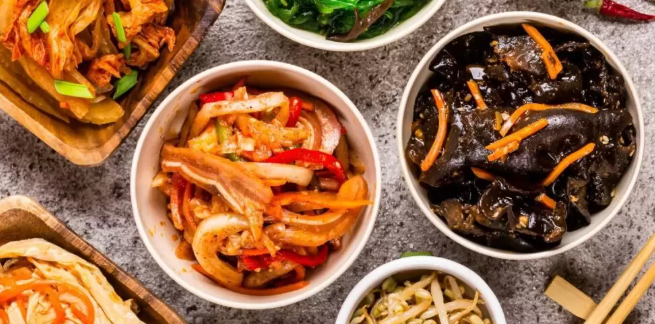
Namul refers to various seasoned greens and roots such as spinach (sigeumchi-namul), fernbrake (gosari-namul), and bean sprouts (kongnamul). These are often vegan and served as banchan (side dishes).
🍚 Complete Vegan Meal Example (Korean Style)
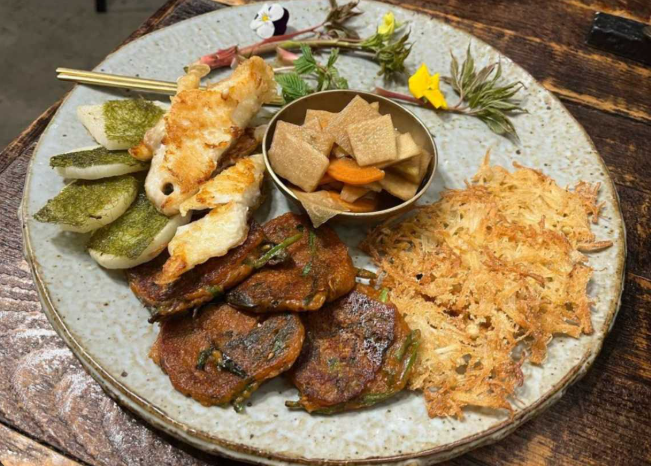
A typical Korean meal includes:
- Rice (bap)
- Soup or stew (guk or jjigae)
- Side dishes (banchan)
- Kimchi (ensure it’s vegan)
- Tofu or vegetable protein
Many temple food restaurants offer these complete sets, free from animal products and MSG.

🧘 Temple Food: Korea's Hidden Vegan Paradise
Keyword: Korean temple food, vegan Buddhist cuisine Korea
Temple food, rooted in Buddhist monastic cooking, avoids all animal products, including meat, fish, garlic, onions, and chives. It focuses on balance, mindfulness, and the natural taste of ingredients.
🏞 Where to Try:
- Balwoo Gongyang (Seoul) – Michelin-starred temple food restaurant
- Sanchon (Seoul) – Traditional atmosphere and full-course vegan meals
- Local temples – Many offer cooking classes and vegan meals for guests
🚫 Common Non-Vegan Ingredients to Watch Out For
While many dishes can be veganized, some hidden ingredients are worth knowing:
| Ingredient | Common Usage |
|---|---|
| Anchovy broth | Base for soups and stews |
| Fish sauce | Found in kimchi, dipping sauces |
| Shrimp paste | Used in some gochujang or side dishes |
| Eggs | Often added to bibimbap, fried rice |
| Beef extract | Sometimes in sauces or instant noodles |
Always ask the server or look for the term "채식" (chaesik), meaning vegetarian or plant-based.
🛒 Vegan Grocery Shopping in Korea
Keyword: vegan groceries Korea, where to buy vegan food in Seoul
More supermarkets and online platforms now offer vegan-friendly products.
Where to shop:
- iHerb Korea – Online store with plant-based items
- Coupang – Korean Amazon equivalent with vegan filters
- Olive Young – Carries vegan snacks and supplements
- E-Mart & Lotte Mart – Have tofu, plant milks, fresh vegetables
Tip: Look for labels like 비건 (vegan) or 채식주의자 (vegetarian) on packages.

📍 Vegan Restaurants in Korea (SEOUL FOCUS)
Keyword: best vegan restaurants Seoul, plant-based dining Korea
Korea's vegan scene is growing fast. Here are some top-rated vegan spots:
1. Plant Café Seoul – Itaewon
Delicious vegan burgers, bowls, and desserts.
2. Loving Hut – Various locations
International vegan chain with Asian fusion cuisine.
3. Huggers – Hongdae
Creative vegan dishes with seasonal ingredients.
4. Oh Se Gae Hyang (오세계향) – Insadong
Traditional Korean meals, 100% vegan.

✈️ Vegan Tips for Travelers in Korea
Learn Key Phrases
- "저는 채식주의자예요." — "I’m a vegetarian/vegan."
- "고기, 생선, 계란, 우유 안 돼요." — "No meat, fish, eggs, or milk please."
- "이 음식에 육수 들어있나요?" — "Does this food contain meat broth?"
Use Apps & Communities
- HappyCow – Find vegan restaurants near you
- Abillion – Reviews and vegan food guides
- Facebook groups – “Vegan Korea” or “Vegan in Seoul” communities
💡 Final Thoughts: Enjoying Korea as a Vegan
Whether you're a long-term vegan or just trying plant-based options, Korea has more to offer than you think. With a little preparation and knowledge of local foods, you’ll discover that vegan Korean food is flavorful, nutritious, and deeply satisfying.
From bibimbap without eggs, to temple cuisine steeped in tradition, Korea is slowly becoming a more welcoming place for plant-based travelers.

If you enjoyed this guide to vegan food in Korea, feel free to share it or leave a comment! 🌱🇰🇷
Let the flavors of Korea welcome you—plant-based style.
반응형


댓글 영역