고정 헤더 영역
상세 컨텐츠
본문 제목
Korean Subway Beginner’s Guide – The Ultimate Explanation for Foreigners
본문
반응형
Korean Subway Beginner’s Guide – The Ultimate Explanation for Foreigners
South Korea is renowned for its cutting-edge technology, vibrant cities, and most notably — its efficient and expansive subway system. Whether you’re visiting Seoul, Busan, Daegu, or other cities, the Korean subway will likely be your main mode of transportation.
This Korean subway guide for foreigners is designed to help you understand the essentials, avoid confusion, and travel confidently, even if it’s your first time using public transport in Korea.
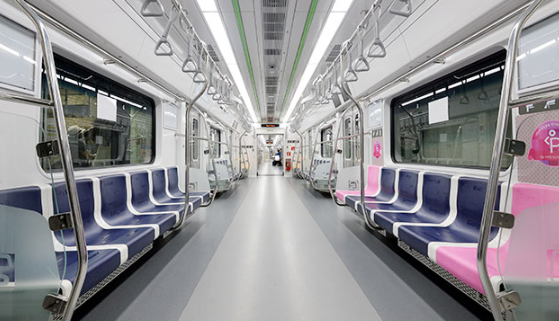
Why Use the Korean Subway?
The Korean subway system is one of the most advanced and foreigner-friendly in the world. Here are a few reasons to use it:
- Extensive coverage: Covers major cities and suburban areas.
- Affordability: Fares start at just 1,250 KRW (~$1 USD).
- Punctuality: Trains run frequently and on time.
- Clean and safe: Trains and stations are regularly cleaned and patrolled.
- Multilingual support: English, Chinese, and Japanese available on most signs and machines.

Overview of the Korean Subway Network
Seoul Metropolitan Subway
The Seoul subway is the largest in Korea, spanning over 23 lines and connecting not just Seoul, but Incheon, Suwon, and other surrounding cities. Key operators include:
- Seoul Metro
- Korail (KTX and commuter trains)
- AREX (Airport Express)
- Shinbundang Line (privately operated)
Other Major Cities
- Busan Subway: 4 main lines, covers beaches, attractions, and the airport.
- Daegu Metro: 3 lines, convenient for business travelers and locals.
- Gwangju and Daejeon: Smaller networks, but easy to navigate.
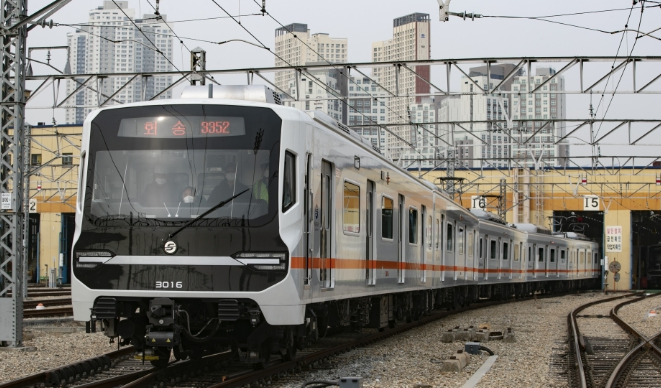
How to Ride the Korean Subway – Step-by-Step
1. Get a Transportation Card
The best way to ride the subway is with a T-money card or Cashbee card.
Where to Buy:
- Convenience stores (GS25, CU, 7-Eleven)
- Subway stations at ticket machines
- Airports (Incheon/Gimpo)
Benefits:
- Can be used on subway, bus, taxis, and even in some stores
- Rechargeable at machines and convenience stores
- Offers discounts for transfers
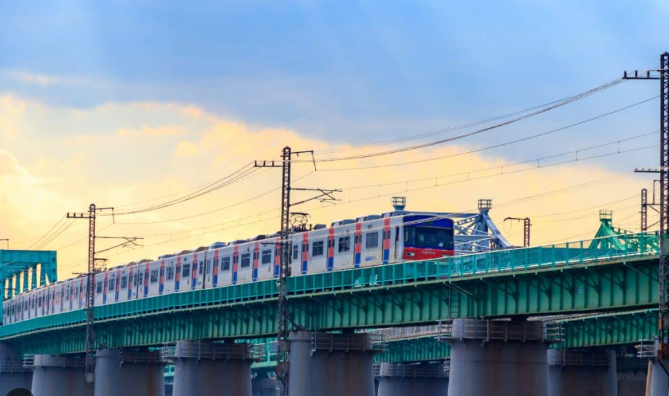
2. Plan Your Route
Use apps like:
- KakaoMetro
- Naver Map
- Google Maps (limited but improving)
These apps provide real-time arrival info, transfer stations, and fares in English.
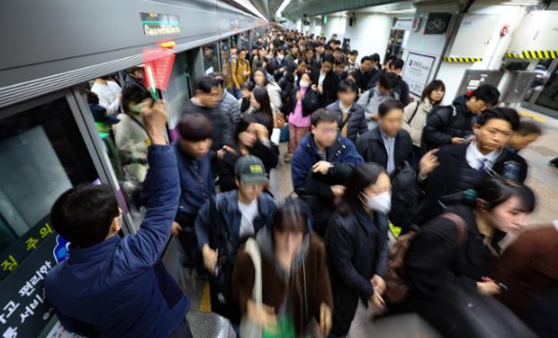
3. Enter the Station
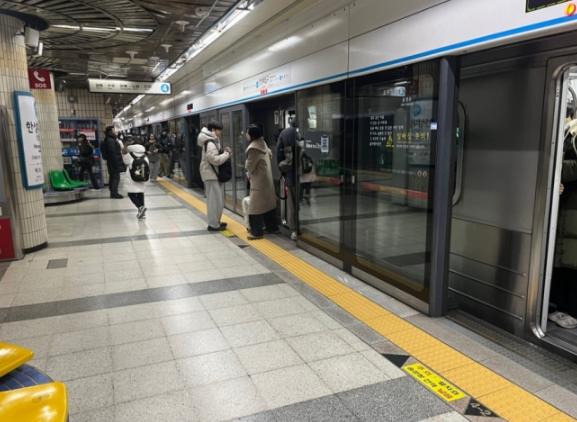
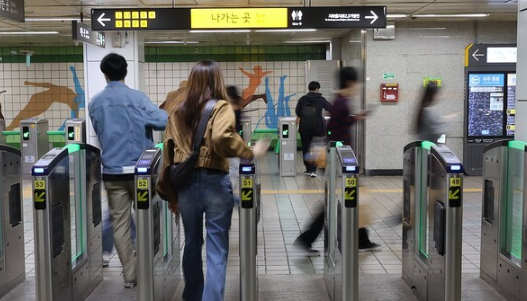
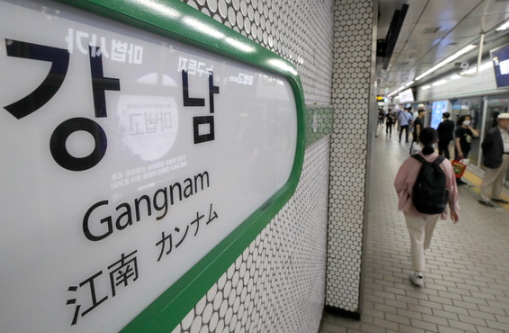
Look for the subway station signs (in Korean and English). Most stations have multiple entrances. Go to the gate and tap your T-money card on the reader.
4. Transfer & Board the Train
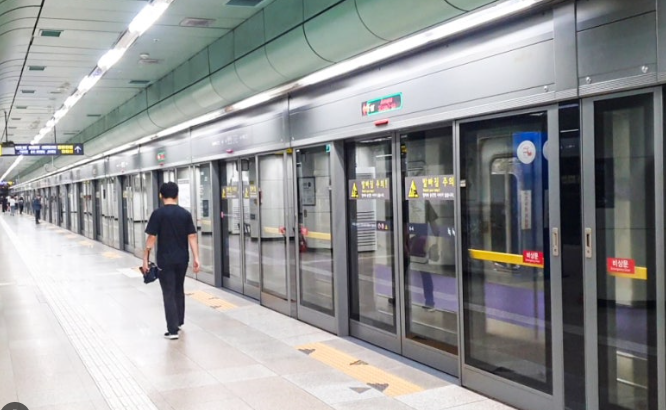
- Follow color-coded lines and arrows on the floor.
- Check electronic screens for next train arrival and direction.
- Wait in line (yes, Koreans line up neatly!)
- Let people exit first before you enter.
5. Inside the Train
- Keep quiet — it's considered polite.
- Seats are often heated in winter!
- Priority seating (often in orange) is reserved for elderly, disabled, pregnant, or injured.
- Eating, loud phone calls, and playing music are frowned upon.

6. Exit & Transfer
- Tap your card again at the exit gate.
- If transferring, follow the transfer signs and stay inside the fare zone.
- Transfers between lines are free if within the time limit.
Subway Etiquette in Korea
Understanding Korean subway etiquette is essential:
Do:
- Offer your seat to those in need
- Speak quietly or use headphones
- Keep your backpack on the floor or in front
Don’t:
- Block the doors
- Sit in the reserved seats unless eligible
- Talk loudly on the phone
Useful Korean Subway Vocabulary
Korean English Translation
| 지하철 (jihacheol) | Subway |
| 승차 (seungcha) | Boarding |
| 하차 (hacha) | Exit |
| 출구 (chulgu) | Exit Gate |
| 환승 (hwaseung) | Transfer |
| 다음 열차 (da-eum yeolcha) | Next Train |
| 목적지 (mokjeokji) | Destination |
Traveling from Incheon Airport to Seoul
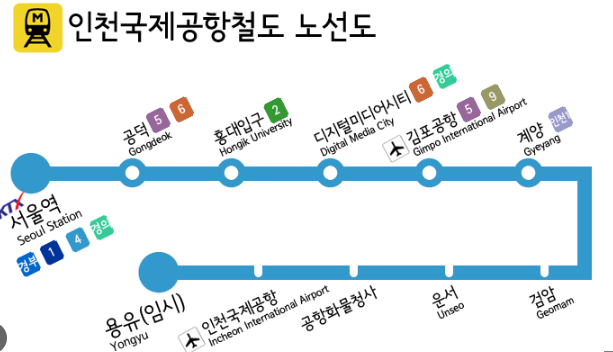
If you're a foreigner landing at Incheon Airport, there are three main subway options:
1. AREX Express Train
- Non-stop to Seoul Station
- 43 minutes
- Costs about 9,500 KRW
2. AREX All-Stop Train
- Stops at every station
- Cheaper (~4,150 KRW)
- Takes around 60 minutes
3. Subway Line 9 Transfer
- Budget-friendly but involves more transfers
Safety and Cleanliness
Korea’s subways are extremely safe. Stations are:
- Well-lit
- Patrolled by security
- Equipped with CCTV
- Have emergency buttons in every car
Cleanliness is taken seriously, with daily cleaning crews and recycling bins at every station.
Accessibility
For travelers with mobility issues:
- Elevators and escalators are widely available.
- Announcements are made in Korean, English, Chinese, and Japanese.
- Braille blocks and tactile guidance paths are installed at most stations.
Subway Tips for Foreigners
- Avoid rush hour (7:30–9:00 AM and 6:00–7:30 PM)
- Some cars have Wi-Fi and charging stations
- Watch out for left-side vs. right-side boarding rules depending on the line
Conclusion: Your Subway Adventure Starts Here!
Riding the Korean subway may seem intimidating at first, but with a little preparation, it becomes one of the most efficient, affordable, and convenient ways to explore Korea. Whether you're heading to Gyeongbokgung Palace, Gangnam, or Busan's Haeundae Beach, the subway can take you there smoothly.
반응형
'Introducing South Korea' 카테고리의 다른 글
| Korean Street Food: The Real Must-Try Dishes You Shouldn’t Miss! (1) | 2025.06.18 |
|---|---|
| How to Perfectly Enjoy Seoul in 3 Days (2025 Updated Guide) (3) | 2025.06.14 |
| 7 Essential Tips to Avoid Culture Shock While Traveling in Korea (1) | 2025.06.07 |
| This Is Real Korean Style – Brand List Loved by Gen MZ (1) | 2025.06.04 |
| Kakao Map, Naver Map, or Google Map – Which One Works Best in Korea? (0) | 2025.05.31 |


댓글 영역